

Last updated: November 2026
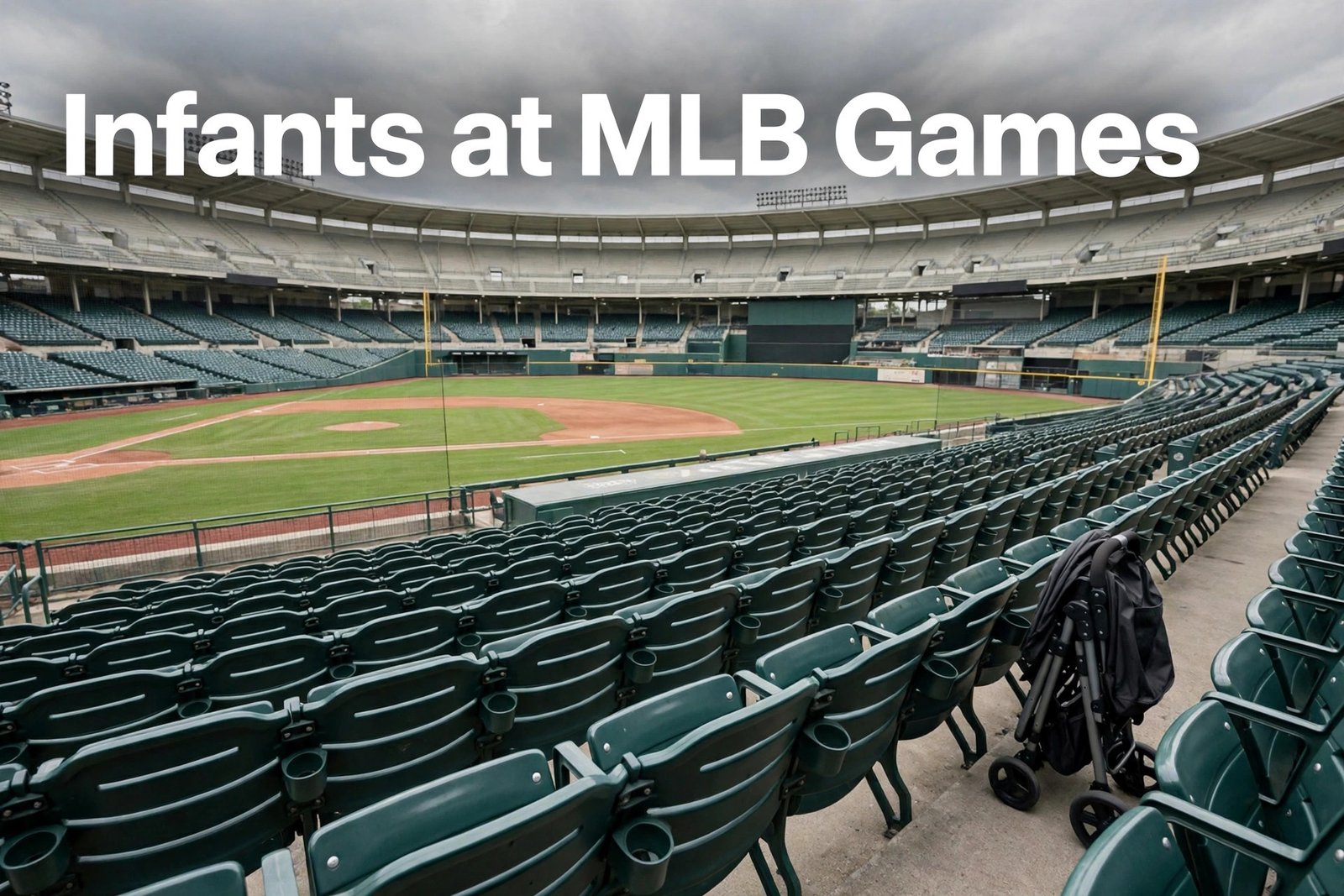
Attending a Major League Baseball game is a quintessential American tradition. As baseball season kicks off each spring, one of the first questions on parents’ minds is whether infants and toddlers need their own tickets for MLB games.
It is a common point of confusion since rules vary between ballparks. This complete guide covers everything families need to know about bringing little ones to professional baseball games, updated for the 2027 season. The 2026 MLB season has ended, so check your team’s site when 2027 tickets go on sale, as policies can change from year to year.
Quick answer: Most MLB teams let children aged 2 and under into the ballpark for free, as long as they sit on an adult’s lap and do not take their own seat. A few teams are more generous: the Dodgers allow children 3 and under free on a lap, and the Yankees allow children 3 and younger who are under 30 inches tall. Once a child needs their own seat, they need their own ticket. Always check your specific team’s policy before game day, because the age cutoff varies.
MLB Infant Ticket Policies Vary by Team
There is no standard policy across Major League Baseball for infant and toddler ticketing. Each individual team sets its own guidelines on whether babies and young children need purchased tickets.
This means you cannot assume all stadiums follow the same rules. Policies differ from team to team based on factors like age, height, and seating sections. However, some common guidelines emerge:
- Most teams allow kids 2 years and younger to enter games for free without a ticket. They simply sit on an adult’s lap.
- Many teams extend free entry to children under 3 or 4 years if sitting on a guardian’s lap without their own seat.
- Several stadiums go by height rather than age. For instance, kids shorter than 30 inches often get in free.
- The New York Yankees have one of the most flexible policies, admitting kids 3 years old and younger who are under 30 inches tall for free.
The takeaway? Do not guess whether your kids need tickets. Always check your specific team’s infant and child ticket policy before heading to the ballpark. Policies should be clearly posted on each MLB club’s website.
Team-by-Team Child Ticket Rules
We verified the following policies from team stadium guides and official listings in 2026. They cover the most commonly searched teams. If your team is not listed, check its ballpark FAQ page before you buy.
| Team and ballpark | Free entry on an adult’s lap | Needs their own ticket |
|---|---|---|
| New York Yankees, Yankee Stadium | 3 years old and younger, under 30 inches tall | Age 4 and older, or over 30 inches tall |
| Los Angeles Dodgers, Dodger Stadium | 3 years old and younger | Age 4 and older |
| Philadelphia Phillies, Citizens Bank Park | 2 years old and younger | Age 3 and older |
| New York Mets, Citi Field | Under 2 years old | Age 2 and older |
| Toronto Blue Jays, Rogers Centre | Under 2 years old | Age 2 and older |
| Cleveland Guardians, Progressive Field | 2 years old and younger | Age 3 and older |
One correction to the previous version of this article: it said the Yankees admit kids “under 4 years old OR 30 inches tall” for free. Current Yankee Stadium listings describe the rule as children 3 years old and younger and less than 30 inches tall, so both conditions apply together. Different ticket sellers word it slightly differently, so if your child is near the cutoff, confirm with the Yankees directly before game day.
We could not verify the infant policy for all 30 MLB clubs individually from official sources, so this table covers the teams with clearly published rules. If your team is not listed here, its ballpark FAQ or guest services page is the place to check.
Why Do Some Kids Need Tickets When Infants Do Not?
If a child is big enough to occupy their own seat, MLB teams require them to have a purchased ticket just like other fans. Toddler and kids tickets are priced similarly to adult tickets.
Infants are generally admitted free since parents or guardians will hold them. Letting babies in for free makes it easier for families with infants to attend games.
Older toddlers and kids who need their own seat essentially take up space that could be sold to other fans. So teams recoup potential lost revenue by requiring tickets for children no longer sitting in laps.
8 Tips for Bringing Babies, Toddlers, and Kids to MLB Games
Aside from ticketing, what else should parents know about bringing little ones to major league ballparks? Here are 8 key tips to ensure your crew has a fun and smooth game day:
1. Scout Stadium Policies
Always verify your home team’s child ticketing policies, bag restrictions, plus nursing and stroller rules before heading out. This avoids surprises at the gate when it is too late to run back to the car. Most ballparks do not allow strollers in seating areas, though they can usually be checked at guest services.
2. Pack Essentials
Bring all needed baby and kid supplies like bottles, formula, diapers, wipes, a change of clothes, snacks, medicine, and a nursing cover. Check permitted bag sizes and banned items beforehand. Most ballparks allow a diaper bag, but size limits apply.
3. Protect Little Ears
Invest in child-sized ear protection headphones so loud cheering will not damage young hearing. Sound levels at ballparks can easily exceed comfortable volumes for infants, especially during fireworks and walk-up music.
4. Apply Sunscreen
Lather kids with SPF 30 or higher sunscreen before going into the stadium. Reapply every 2 hours to prevent painful burns, especially for day games in open-air seats.
5. Have Entertainment
Pack books, small toys, coloring books, and devices to distract antsy toddlers if they lose interest in the game. An hour or two of sitting still can try little ones’ patience.
6. Get Tracking Bracelets
Obtain free kid safety wristbands from guest services with your seat number. This allows quick reunification if young children get lost in the crowds.
7. Scope Out Kid Zones
Many stadiums offer special playgrounds, activities, concessions, and clubs designed just for pint-sized fans. Check your ballpark’s unique offerings before you go.
8. Leave Early If Needed
Do not hesitate to make an early exit if kids get fussy, overwhelmed, or have a meltdown. Their experience trumps sticking it out for 9 innings.
Kids Clubs, Promotions and Giveaways for Young Fans
Major League teams provide awesome perks to entertain and reward their littlest loyal fans. Here is a look at popular kids offerings:
Official Kids Clubs
Over half of MLB franchises offer structured kids clubs that parents can sign up for, usually for an annual fee around $0 to $50 per child. Common kids club perks include:
- Official kids club jersey, T-shirt, or other branded gear
- Ticket vouchers good for 2 to 4 free games
- Early ballpark entry privileges for members
- Invites to exclusive player events and meet-and-greets
- Discounts on concessions like kids meals or ice cream
- Special membership gifts like backpacks, water bottles, or bobbleheads
Check your favorite team’s website for details on joining their official kids club. Most open signups online and at the ballpark.
Family Promotions
Teams run frequent family-focused ballpark promotions like:
- Kids eat free days or discounted kids meals
- Post-game kids run the bases events
- Free admission for kids under 12 with one paying adult, on select dates
- Annual kids days with free activities and player interactions
- Princess Days, Superhero Days, and other theme days for kids
Again, see your home team’s promotional schedule for upcoming kid-targeted specials. Dates and offers change every season.
Kids Giveaways
Many clubs hold giveaways, often simple logo items like shirts, hats, or collectibles, specifically for younger fans. Ask if quantities are limited and if age limits apply for certain giveaways.
Top 5 Most Kid-Friendly MLB Ballparks
Some franchises excel at catering to pint-sized fans with next-level amenities. Here are 5 of the most family-friendly Major League stadiums to check out:
1. Cincinnati Reds, Great American Ball Park
Great American lives up to its name with a free kids zone hosting a carousel and family games. Kids 14 and under ride the carousel free on Sundays. Awesome kids clubs too.
2. Detroit Tigers, Comerica Park
Comerica Park houses a free Ferris wheel and carousel by the Big Cat food court for unlimited rides. Plus a large club with merch and events for kids.
3. Arizona Diamondbacks, Chase Field
Chase Field’s outfield features a pool, playground, arcade, and wiffle ball field just for kids. Sunday games end with kids run the bases.
4. San Diego Padres, Petco Park
Petco Park’s family-friendly layout includes an outfield beach playground perfect for kids to roam.
5. New York Mets, Citi Field
Citi Field offers a kids club, kids meals, and a Mets team store stocked with pint-sized jerseys, clothes, and gear for little fans.
Making Kid Baseball Memories: 6 Pro Tips
- Arrive early. Gates opening time lets kids play before crowds pack in.
- Sit near aisles. For easy exit access when kids need snack or bathroom breaks.
- Bring a kid glove. Attempt catches for fly balls and foul balls.
- Take regular breaks. A change of scenery helps restless kids reset.
- Have an early exit plan. If kids have a meltdown, do not force a long miserable stay.
- Capture photos and buy souvenirs. Commemorate the day through pics and kid-sized gear.
Most importantly, just relax and soak up the special time together watching America’s favorite pastime. Introducing kids to beloved baseball rituals builds lifelong fans.
The Bottom Line: Enjoy Affordable Family Bonding
The bottom line is that MLB’s variable kid ticketing policies make games accessible for families on a budget. In most ballparks, a baby or toddler under 2 rides free on your lap, and a few teams stretch that to age 3. A little planning and a few supplies will ensure your crew makes treasured memories.
Baseball games offer the perfect opportunity to pass American traditions down to the next generation. Try to focus more on making memories than micromanaging behavior. Before you know it, your tiny rookie will grow into a batting MVP. Just remember to check your team’s current policy before the 2027 season starts, because the age cutoff is the one detail that varies from ballpark to ballpark.